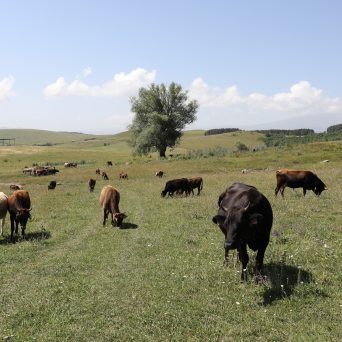
Samtskhe-Javakheti, Georgia — Agro-ecotourism is emerging as a key driver of sustainable rural development in Samtskhe-Javakheti, a region distinguished by its high-mountain landscapes, rich agricultural traditions, and unique agrobiodiversity. By linking farming, biodiversity conservation, and tourism, agro-ecotourism offers a practical pathway to strengthen local economies while preserving rare genetic resources of Georgia.
Samtskhe-Javakheti is one of the country’s most important regions for traditional and endemic crop diversity, particularly ancient wheat landraces and indigenous vine varieties that have adapted over centuries to harsh climatic conditions. These crops represent not only an agricultural asset, but also a living cultural heritage.
The region’s high-altitude agriculture, much of it located above 1,500–2,000 meters above sea level, faces increasing challenges related to climate variability, short growing seasons, and limited market access. Agro-ecotourism helps address these challenges by enabling farmers to diversify their income through farm-based tourism experiences such as traditional bread baking, vineyard visits, seed and crop demonstrations, tastings of local products, culinary show-casing and guided agro-ecological tours.
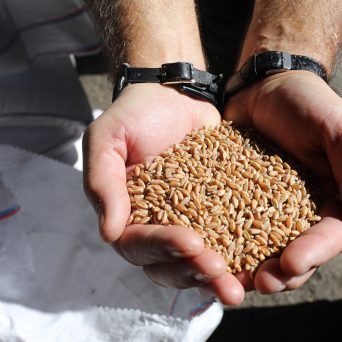
Traditional local wheat varieties are climate-resilient landraces and adapted to cold temperatures, drought, and poor soils. These wheats are often maintained through farmer-managed seed systems and small field seed banks, making their conservation closely tied to local livelihoods.
Samtskhe-Javakheti is also historically associated with Meskhetian viticulture. Indigenous vine varieties, once widespread across Akhaltsikhe, Aspindza and Adigeni, survived decades of decline in household plots, wild habitats, and remote vineyards. Today, renewed interest in these endemic grapes – supported by pilot nurseries and conservation initiatives – is creating new opportunities for agro-ecotourism experiences centered on local wine culture and biodiversity.
Agro-ecotourism plays a critical role in transforming these agricultural and ecological assets into sustainable economic opportunities. It encourages low-intensity land use, supports on-farm conservation of local varieties, and raises awareness among visitors about the importance of biodiversity-friendly farming. At the same time, it creates accessible income opportunities for women and youth, helping reduce rural outmigration and strengthen community resilience.
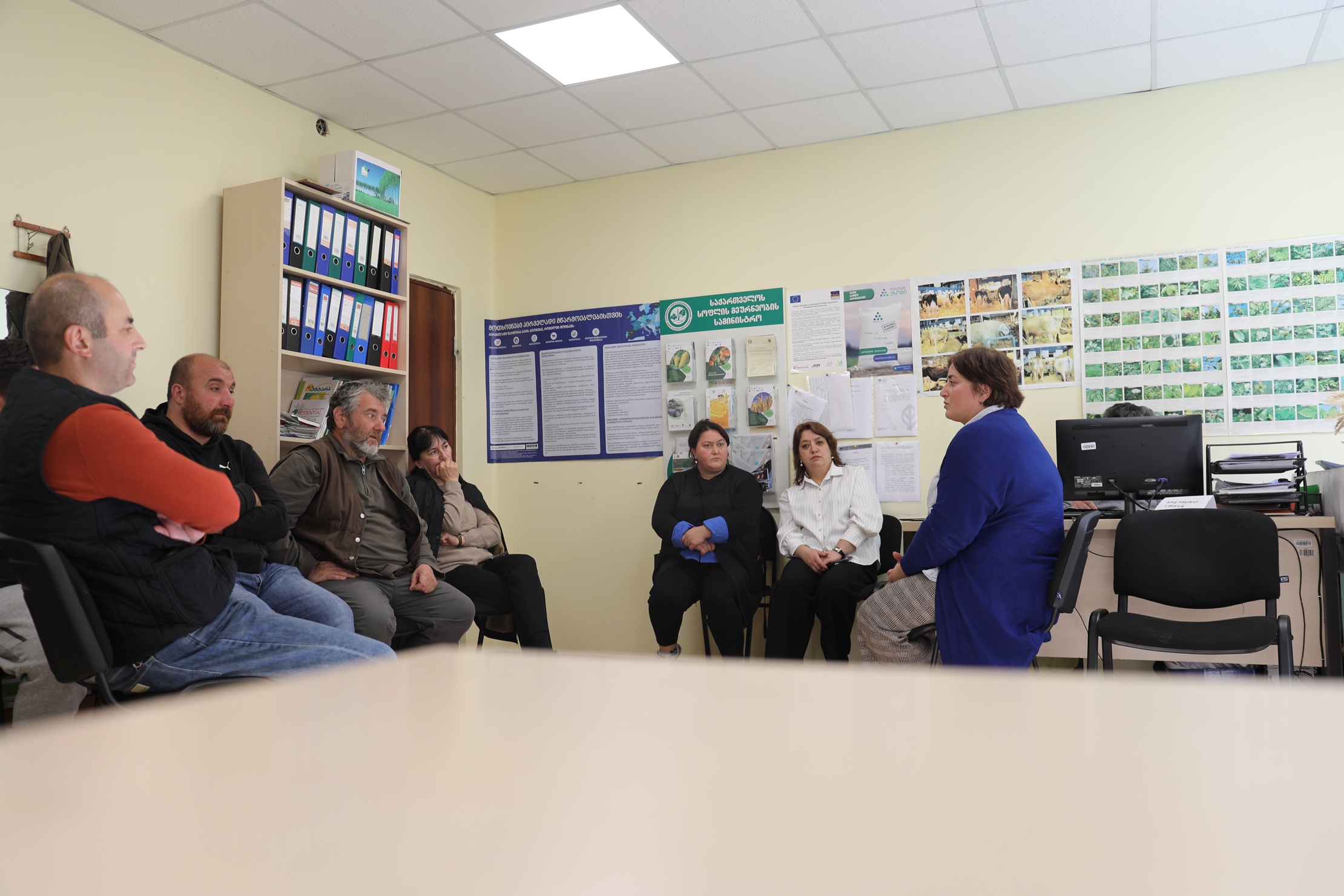
Through dedicated training sessions for the farmers running the agro-ecotourism attraction sites in the region, with a strong focus on women’s participation. The training aimed to strengthen practical skills for establishing and managing agro-ecotourism businesses that are economically viable and environmentally responsible. Participants learned about business planning, development of visitor experiences linked to farming and biodiversity, basic marketing and customer service, and the use of local crop varieties and traditional practices as unique tourism assets.
“These trainings give us valuable new knowledge that we can directly use to grow our small businesses.”– Mr. Mirian Melikidze, farmer from village Toloshi, Aspindza municipality.
Including women in agro-ecotourism trainings is essential, as they play a key role in agrobiodiversity conservation, traditional farming practices, and rural hospitality. Gender-responsive capacity building empowers women to strengthen small businesses, diversify household incomes, and actively participate in local economic development. This approach enhances the sustainability and long-term impact of agro-ecotourism initiatives in rural communities.
Implementing gender-focused trainings can address the disparities and empower communities with knowledge and practical skills. These initiatives are supported by the Global Environment Facility (GEF) and the United Nations Environment Programme (UNEP), efforts continue to promote sustainable agricultural practices, preserve the agro-biodiversity and cultural heritage of the Samtskhe-Javakheti region.
By positioning endemic wheat and vine varieties at the heart of tourism experiences, Samtskhe-Javakheti can establish itself as a destination for authentic, nature-based, and culture-rich tourism. Agro-ecotourism is not only preserving the region’s agricultural heritage, it is shaping a sustainable future where conservation and rural livelihoods grow together.