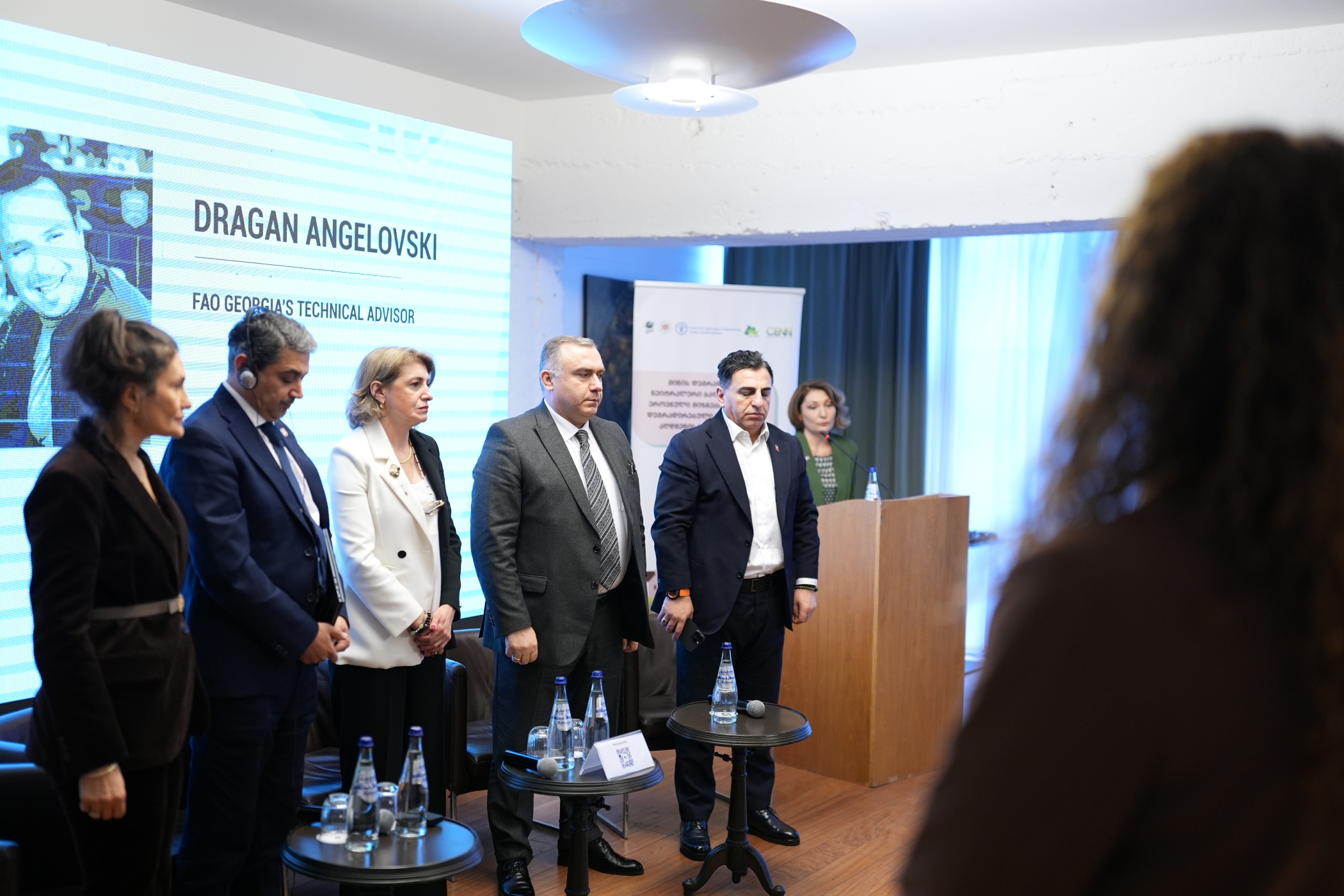
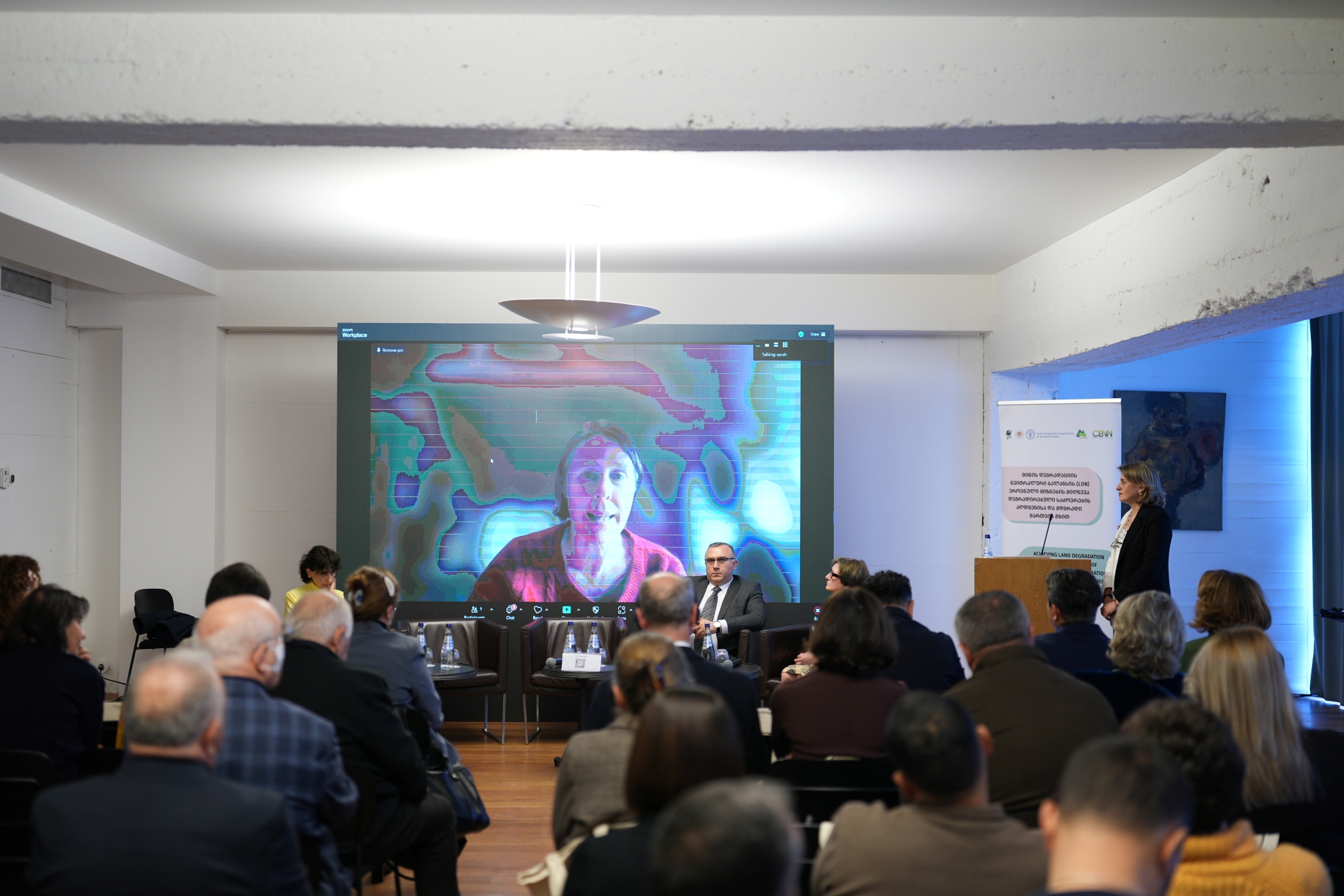
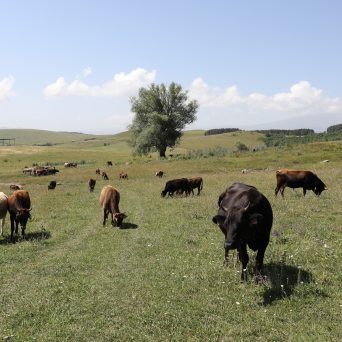
On December 10th, REC Caucasus summarized the activities and main achievements of the project “Achieving Land Degradation Neutrality (LDN) National Targets through Restoration and Sustainable Management of Degraded Pasturelands,” funded by the Global Environment Facility (GEF) and implemented in partnership with FAO.
The project was launched in 2020 at the initiative of the Ministry of Environmental Protection and Agriculture and aimed to both create a national policy and institutional framework and demonstrate practical restoration of degraded pasturelands.
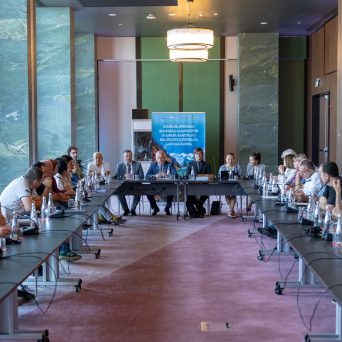
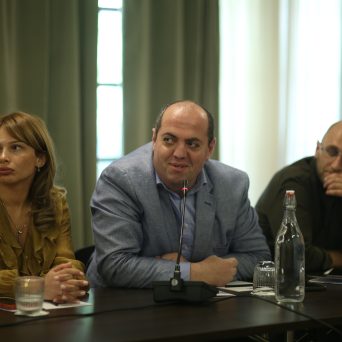
The project closing event brought together representatives from the Government of Georgia, international and local organizations, financial institutions, municipalities, farmers, academia, media, and other stakeholders working on environmental protection and sustainable development of agriculture.
The event was officially opened by Mr. Lasha Dolidze, Deputy Minister of Environmental Protection and Agriculture of Georgia, Mr. Mamuka Meskhi, Deputy FAO Representative in Georgia, Mr. Feras Ziadat, FAO Chief Technical Advisor, and Ms. Sophiko Akhobadze, Director of the Regional Environmental Centre for the Caucasus.
Deputy Minister of Environmental Protection and Agriculture of Georgia, Lasha Dolidze, noted:
“We express our gratitude to REC Caucasus, the Global Environment Facility (GEF), and FAO for implementing such an important initiative. The work carried out within the project creates a strong foundation for pastureland restoration and their sustainable management. Although the results will not appear uniformly and quickly, this process has already begun, and we will continue to provide full support from the Ministry.”
Director of REC Caucasus, Sophiko Akhobadze, emphasized the practical impact of the project:
“The achieved results show that when we combine the right tools, knowledge, and local engagement, it is possible to restore degraded pasturelands and establish a culture of sustainable management. This is only the beginning – the created models are now ready to be scaled up nationally.”
Main Project Results
The event placed special emphasis on the systemic changes implemented within the project at both national and local levels.
Within the project framework:
These results create an innovative, practical model that directly contributes to Georgia’s achievement of Land Degradation Neutrality national targets.
Future Steps
The project closing event not only summarized the achieved results but also highlighted the need to continue and deepen the development of already established governance and institutional mechanisms, as well as to strengthen well-organized and responsible pastureland management practices at the local level.
The project formally concludes in December 2025, however, the knowledge, tools, and models created within its framework will be used in the future for institutionalizing sustainable pastureland management practices.