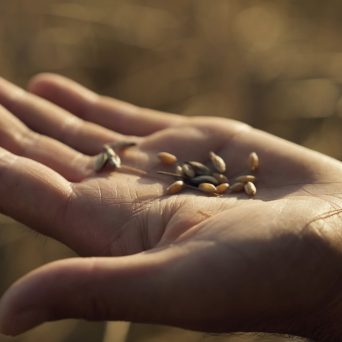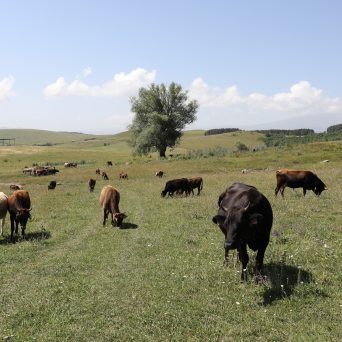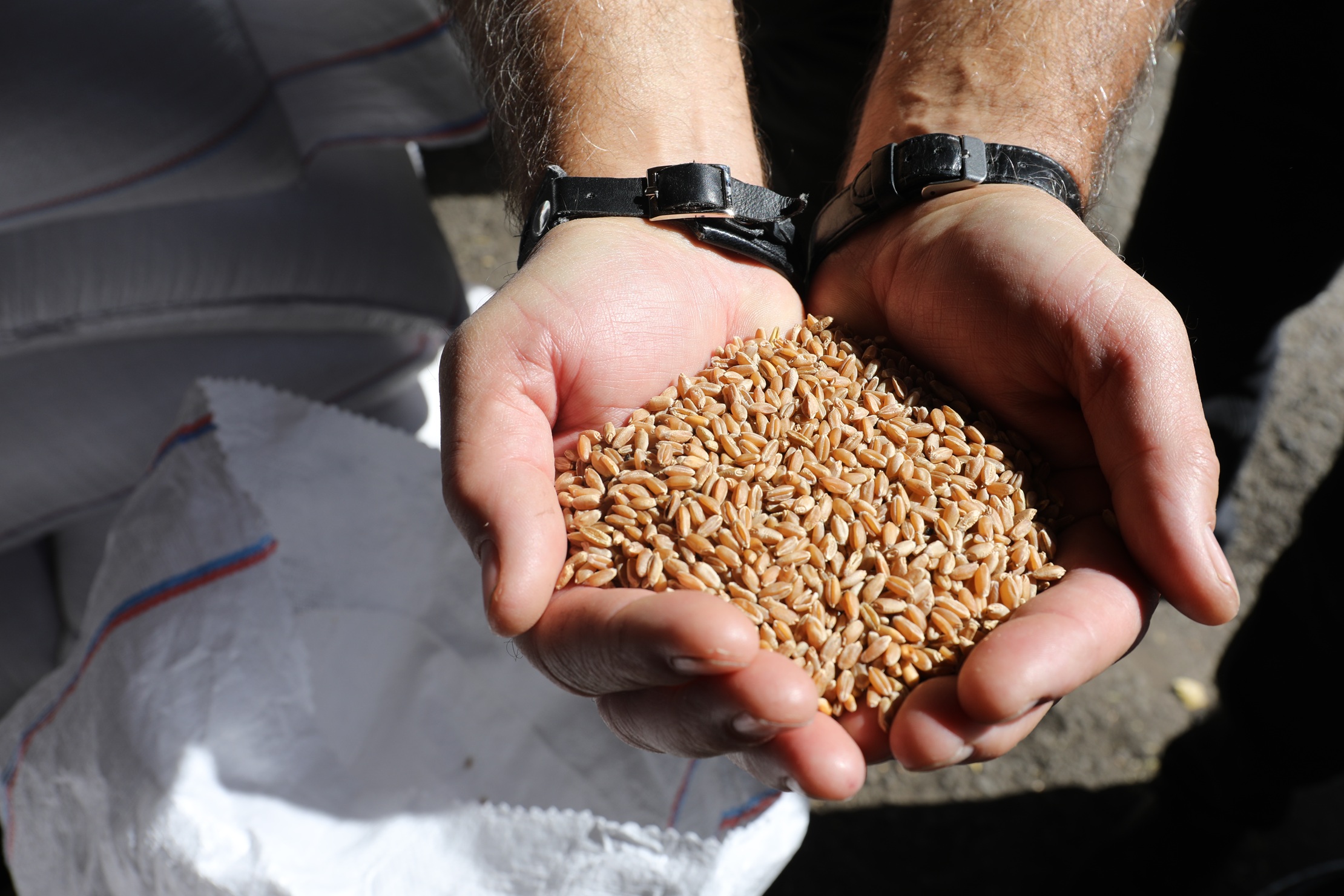
Georgia’s ancient wheat varieties, once on the brink of disappearing, are making a powerful comeback as farmers, millers, and artisan bakeries join forces to revive the country’s unique grain heritage. New consumer demand for healthier, more flavorful bread is helping restore these endemic wheats to fields and markets across the country.
For more than 5,000 years, Georgian farmers cultivated these heritage grains, selecting seeds generation after generation and creating varieties perfectly adapted to harsh climates, poor soils, and local diseases. But during the Soviet era, many of these varieties vanished. Agricultural policies prioritizing specialization and mechanization pushed farmers to abandon traditional varieties in favor of standardized, high-yield industrial wheat. By the early 2000s, Georgia – a home to 15 out of 20 known wheat species in the world, found itself importing more than 80% of its wheat.
In recent years, and especially since the pandemic, local communities have intensified efforts to conserve rare Georgian landraces such as Akhaltsikhe Tsiteli Doli, DIka and Shavpkha. These grains, adapted over centuries to Georgia’s diverse microclimates, offer exceptional resilience to drought, poor soils, and climate variability – traits increasingly important for sustainable agriculture.
Experts point to two key factors driving the the renewed interest: rising consumer awareness about nutritious, minimally processed foods, and the growing recognition of endemic wheats as a unique national asset. Compared to commercial varieties, Georgia’s traditional wheats contain higher levels of beneficial micronutrients, have distinctive flavor profiles, and support low-input, environmentally friendly farming systems.
Across the Samtskhe-Javakheti region, smallholder farmers in all six municipalities are beginning to reintroduce these varieties into their crop rotations. Pilot programs supported by the Regional Environmental Centre for the Caucasus (RECC), within the GEF-financed project “Sustainable Management of Agricultural Biodiversity in Vulnerable Ecosystems and Rural Communities of the Samtskhe-Javakheti Region in Georgia,” play a key role. The initiative includes regular field visits, monitoring of designated plots in Aspindza, Akhaltsikhe, Akhalkalaki, Adigeni, Borjomi and Ninotsminda, and extensive knowledge-sharing on how to cultivate endemic wheat varieties.
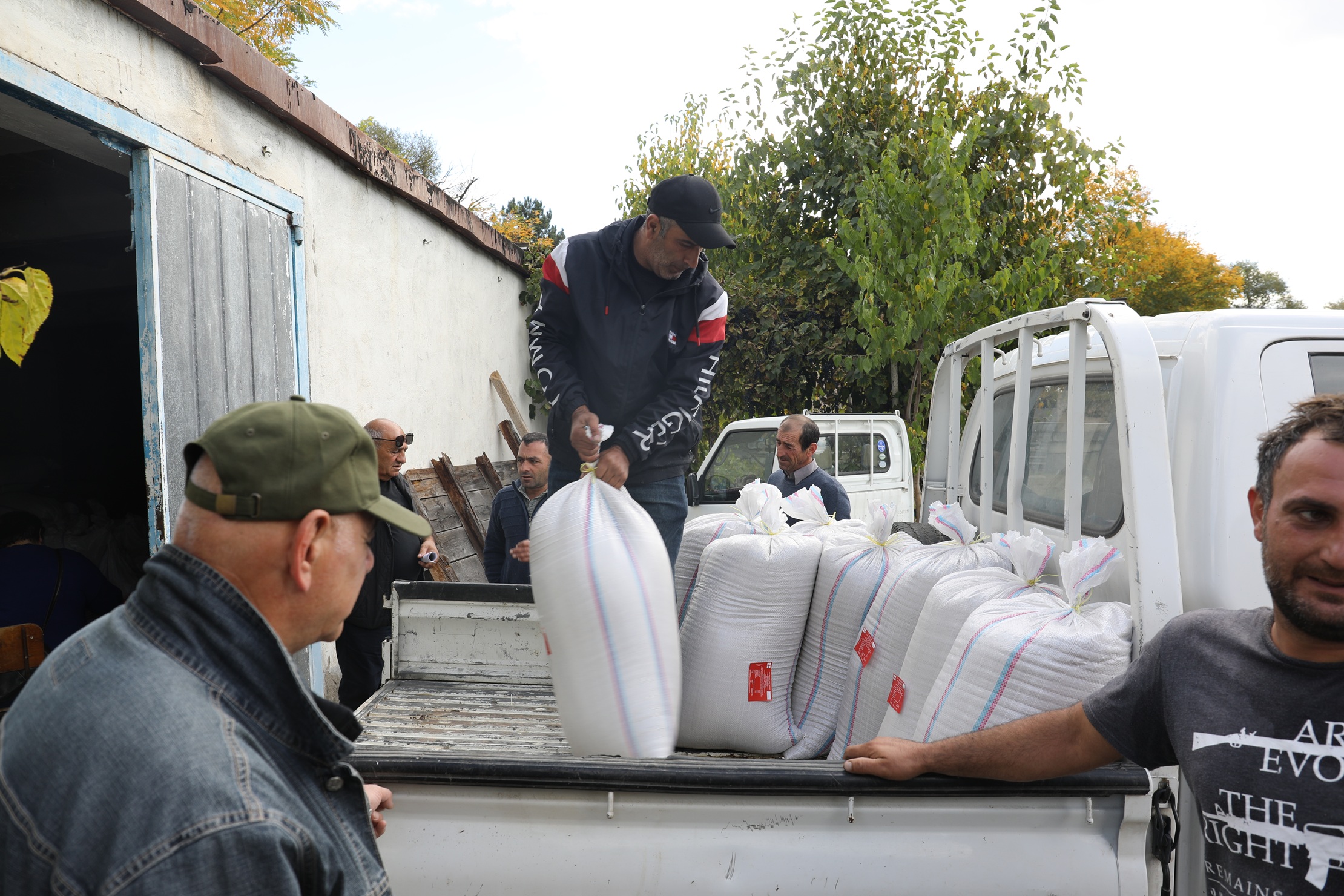
In 2025, more than 300 hectares were planted with Meskhetian wheat varieties, followed by an additional 154 hectares and more than 250 new farmers joining the initiative. The project provides certified seed material to participating farmers, who commit to caring for the crop and passing on seed material to other interested farmers the following year.
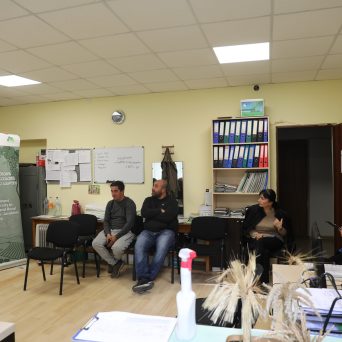
RECC also supports farmers through the certification process, equipping them with the necessary skills and knowledge. The LEPL Scientific-Research Center of Agriculture (SRCA) conducts field trainings, teaching farmers how to cultivate premium-elite quality seed material.
Artisan bakers report a rapidly growing appetite for bread made from heritage grains. “Consumers can taste the difference, and they are already demanding that we distribute it in Tbilisi too” says Tinatin Chilingarashvili, a traditional bakery owner from village Ghreli of Akhaltsikhe municipality. The aroma, the texture and the color – everything is different. Once you taste a slice, you immediately know it isn’t supermarket bread.
Beyond the culinary value, the revival of endemic wheat also strengthens rural economies. Expanding the cultivation of heritage grains supports seed production, traditional milling, niche bakery products, and agro-ecotourism activities centered around the traditional local food culture.
As Georgia continues to position itself as a leader in sustainable agriculture and food heritage conservation, the resurgence of endemic wheat varieties demonstrates how local biodiversity can generate new economic opportunities, particularly through agro-ecotourism, while preserving cultural identity. These Meskhetian wheats aren’t just agricultural curiosities – they’re superior in key ways. They are frost-hardy, drought-resistant, and naturally tolerant to many diseases, making them climate-resilient alternatives to industrial varieties. Their flour produces bread with a naturally sweet, aromatic flavor, and many consumers find the simpler gluten structures easier to digest.
The cultural significance is equally profound. In Georgian tradition, wheat appears in wedding rituals, New Year’s celebrations, and memorial feasts. Wheat is called doli by Meskhetians, and wheat bread is called traditionally doli bread. Traditional Meskhetian dishes, such as the region’s distinctive khachapuri and various flatbreads—depend on the unique properties of these local grains.
Today, artisan bakeries across Georgia proudly feature heritage wheat breads on their shelves. The revival represents something deeper: a reconnection with ancestral knowledge, a rejection of agricultural homogenization, and a model for climate-adaptive farming. Farmers receive not just seeds but consultations on cultivation, soil analysis, and yield improvement.
Ultimately, the story of Meskhetian endemic wheat is a story of resilience – of both plants and people. These ancient grains, which survived ice ages and adapted to Georgia’s rugged terrain over millennia, nearly disappeared within a single generation of modernization. Their return from near-extinction to the shelves of modern bakeries reflects a broader realization: our agricultural future may depend on wisdom from the past, and what is ancient can indeed be revolutionary.
With the support of the Global Environment Facility (GEF), the United Nations Environment Programme (UNEP), the Ministry of Environmental Protection and Agriculture of Georgia, and the Regional Environmental Centre for the Caucasus (RECC), these efforts aim to restore and widely distribute endangered Meskhetian wheat varieties, safeguarding both the biodiversity and cultural heritage of the Samtskhe-Javakheti region.